BHO and DHO extraction are among the most widely used methods for obtaining high-quality plant concentrates. In this article, we take a detailed look at the differences between butane (BHO) and dimethyl ether (DHO) extraction. We discuss their advantages, their impact on the terpene profile, and the overall safety of the process. We explain how extraction works in practice, why it is crucial to use food-grade solvents, and what role high-quality extraction equipment - such as professional ADDIPURE manual extractors - plays.
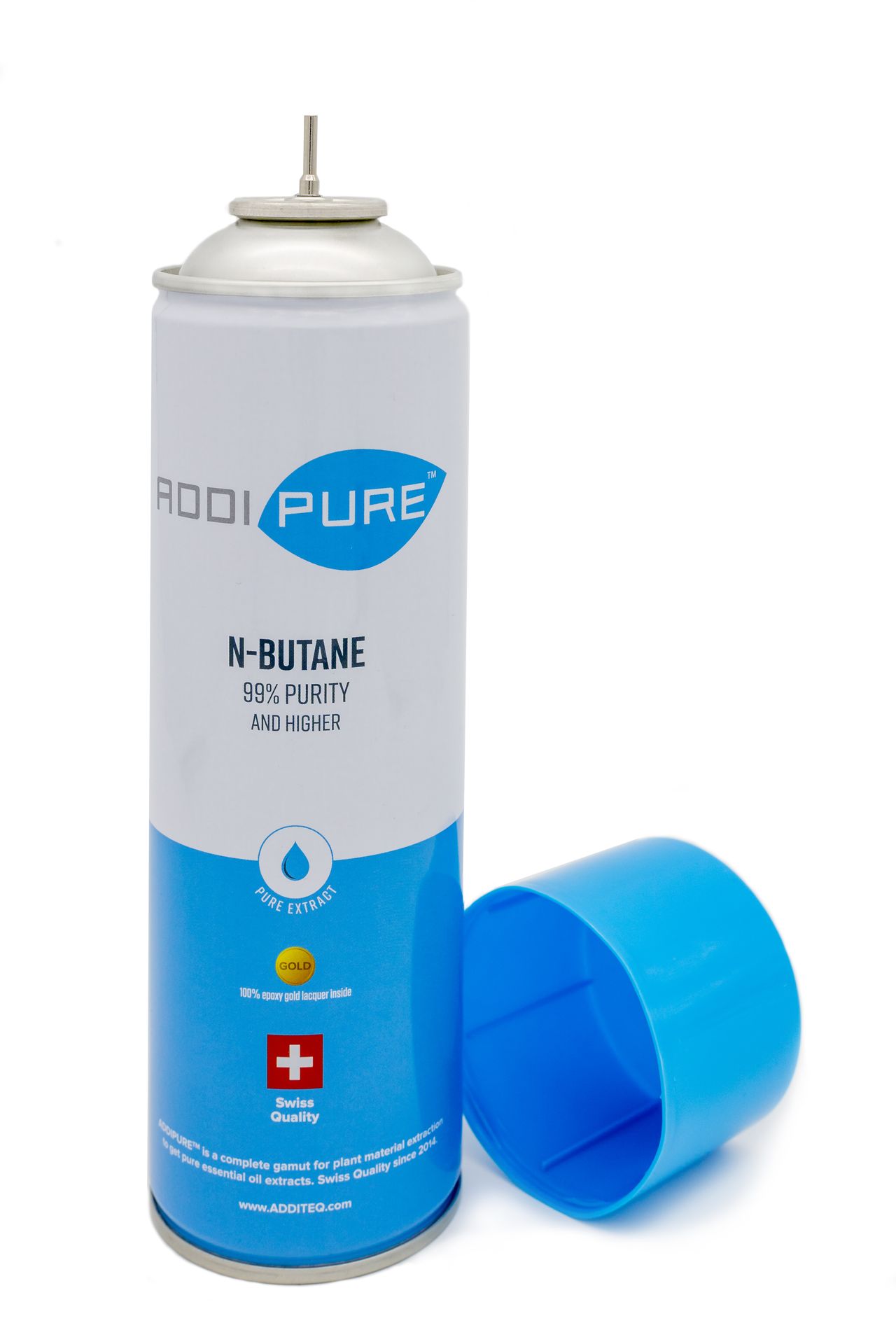 What Is BHO?
BHO (Butane Hash Oil) is a term used to describe plant concentrates obtained through butane extraction. Butane is an easily liquefied extraction gas and an effective organic solvent. During extraction, pressurized butane flows through the plant material and binds to active compounds, terpenes, and other lipophilic substances. Thanks to its low boiling point of −1.0 °C, it evaporates at room temperature, leaving behind a golden-colored extract.
Butane is a non-polar solvent and extracts fat-soluble compounds from plant material, such as cannabinoids, terpenes, waxes, essential oils, and certain alkaloids. In contrast, it leaves behind sugars and chlorophyll, which are undesirable impurities in most extracts.
You may also be interested in: What Is the Difference Between Polar and Non-Polar Solvents
What Is DHO?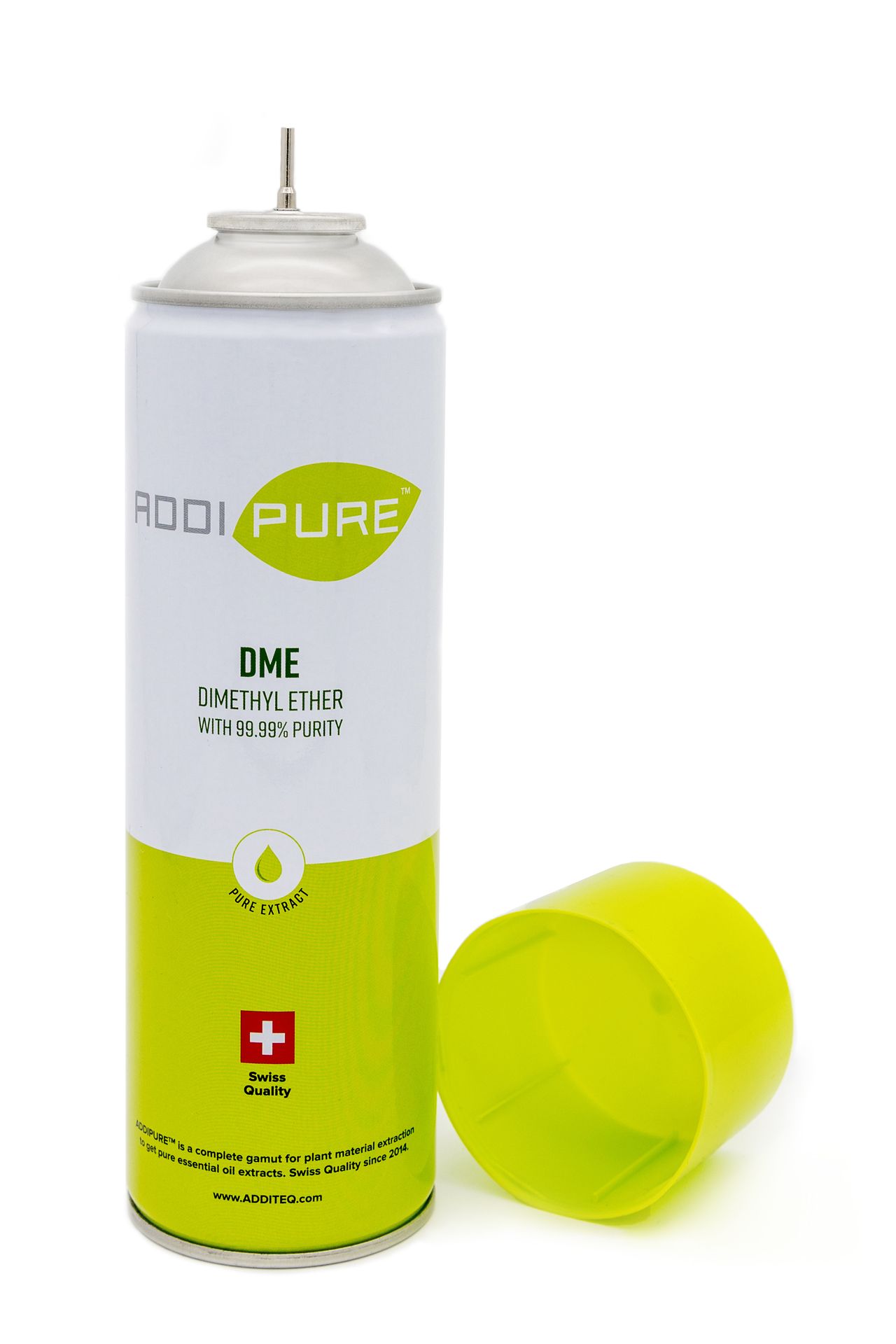
DHO (Dimethyl Ether Hash Oil) is a term used to describe plant concentrates obtained by extraction with dimethyl ether. Like n-butane, DME is gaseous at room temperature. Dimethyl ether has an even lower boiling point (−24.8 °C) and evaporates more quickly.
Unlike butane, Dimethyl Ether (DME) is partially polar and extracts a broader spectrum of compounds from plants. In addition to non-polar substances, it can also extract semi-polar compounds such as caffeine, phenols, certain carotenoids, and some terpenes. DME extracts contain a broader range of valuable substances, like cannabinoids and terpenes. Depending on the temperature and dryness of the biomass, DME can extract mainly non-polar substances, or both polar and non-polar substances. DHO plant extraction is more challenging to do since it needs to be done very cold, while inhibiting condensation of humidity in the extract, but it can extract more valuable substances and consequently produce more oil.
What Is the Difference Between BHO and DHO?
The basic extraction process using butane and DME is essentially the same. The main differences lie in the composition of the resulting extracts. Experiments with lavender, orange peel and hemp biomass have shown that dimethyl ether dissolves (1) more aromatic compounds and achieves a higher yield than n-butane.
In the case of herbal (2) medicinal extracts (medical cannabis), both DME and butane showed a similar yield of active compounds (cannabinoids), but a different terpene profile. DHO retains higher levels of certain monoterpenes (limonene, α-pinene), while butane extracts are richer in some sesquiterpenes (guaiol, eudesmol).
You may also be interested in: Different Types of Concentrates and Extracts
DME is organic, non-toxic, harmless, has a stronger extraction capacity than butane and ethanol, and a low boiling point, so it disappears easier from your extract (low solvent residues). Its use leads to the extraction of a wider range of cannabinoids and terpenes, so also higher yields. A wider range of cannabinoids and terpenes extracted leads to more complete full-spectrum oils, which are according to general understanding more effective in solving health issues.
DME allows (3) more efficient extraction from wet biomass because it is partially miscible with water and simultaneously dehydrates the material during extraction. DME is not recommended for ¨fresh-frozen¨ extractions from not dried biomass, since it risks extracting a lot of chlorophyll. Butane does not have this capability.
What Can BHO and DHO Extracts Be Used For?
BHO and DHO are mainly used to produce high-potency cannabis concentrates. These concentrates can reach very high cannabinoid levels and are typically consumed by vaporization or “dabbing”, where a small amount of concentrate is flash-vaporized and inhaled.
Because of this potency, such extracts are used both in recreational products (e.g., wax, shatter, oil for dabbing or vaping) and in medicinal formulations where precise, high doses of cannabinoids are required while minimizing plant material and smoke exposure.
Beyond inhalation butane and DME based cannabis extracts can be incorporated into topical and dermatological, pharmaceutical, cosmetic, food, and agricultural applications due to their bioactive, antioxidant, and antimicrobial properties.
Properly purified BHO and DHO concentrates can therefore serve as intermediate ingredients for developing oils, balms, tinctures, capsules, or cosmetic products where standardized cannabinoid and terpene profiles are needed.
Can BHO and DHO be mixed?
Yes – once both extracts are properly purged and free of residual butane or dimethyl ether, they can be blended into a single concentrate. At this stage, you are no longer mixing solvents but combining two types of plant resin with slightly different cannabinoid and terpene profiles.
Because DHO tends to retain more light monoterpenes (e.g., limonene, α-pinene), while BHO often contains relatively more sesquiterpenes, mixing the two allows producers to fine-tune flavor, aroma, and effects by balancing these terpene fractions. The resulting blend can then be used like any other concentrate—for dabbing, vaporization, or as an ingredient in oils, edibles, or topicals.
How to Produce BHO and DHO
Extracting with compressed gas requires specialized equipment. Never use homemade extractors for these purposes. Using such devices exposes you to the risk of serious injury and explosion. In addition, many DIY or low-quality extractors are made from plastic, which is chemically incompatible with solvents like dimethyl ether. DME can dissolve or degrade certain plastics, leading to the release of microplastic particles into the extract, which may pose long-term health risks when inhaled or ingested.
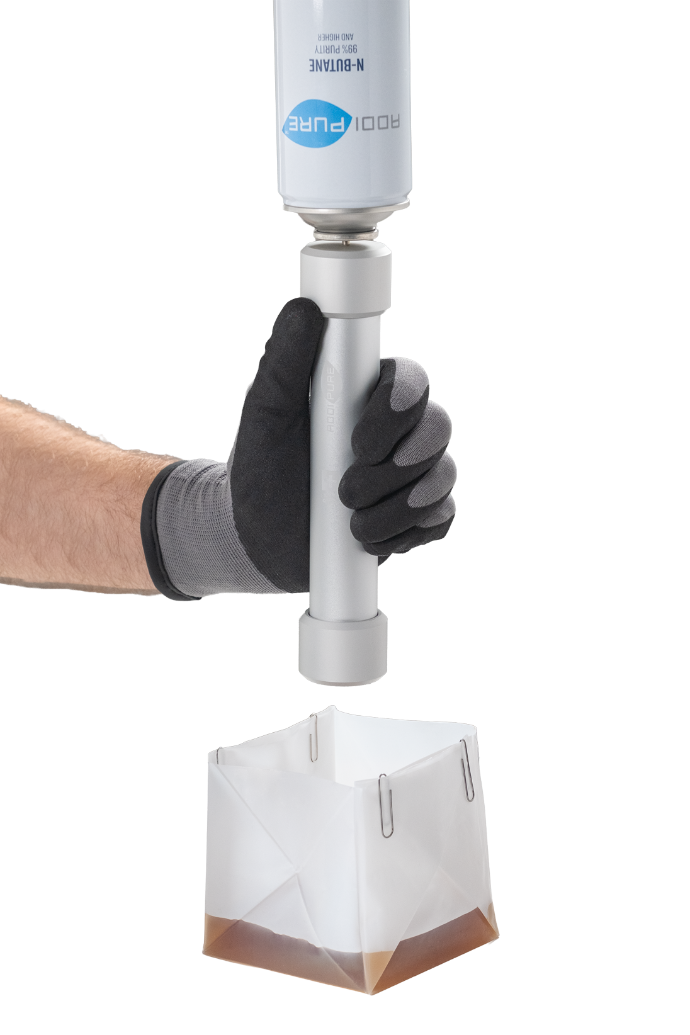 Professional manual BHO extractors resemble a metal cylinder with small openings on both ends. After unscrewing the extraction tube, the plant material is placed inside and once reassembled, the extractor is ready for use. Cutting corners on an extractor is not worth it. It is essential that the extraction tube is pressure-resistant and leak-proof. The extractor should be made from aluminium with a food-grade anodised finish or of alimentary stainless steel. The natural anodised finish, tried and trusted by ADDIPURE over many years, increases surface hardness and reduces friction during plant extraction.
BHO extractors ADDIPURE are designed with a focus on maximum safety, durability, and extract purity. Depending on the model, BHO extractors ADDIPURE can hold between 15 g and 120 g of plant material. With the launch of the new BHO extractor ADDIPURE 500×50, extraction capacities of up to 300 g are now possible.
Once the extractor is filled, the tube is charged from the top with compressed gas (n-butane or DME) from a canister. A suitable collection container is placed underneath the extractor to collect the liquid concentrate, regardless of whether it is made of glass, metal, ceramic or another solvent-resistant material. For optimal handling and purity, the container should always be lined with ADDIPURE PTFE sheet, which prevents the extract from sticking to the surface and allows it to be removed easily without losses for further processing.
For plant extraction purposes, it is necessary to use food-safe solvents. Industrial butane contains a range of toxic impurities, such as methyl mercaptan, benzene, and other carcinogenic substances. The purity and safety of ADDIPURE DME and ADDIPURE N-BUTANE are regularly tested by an independent Swiss laboratory.
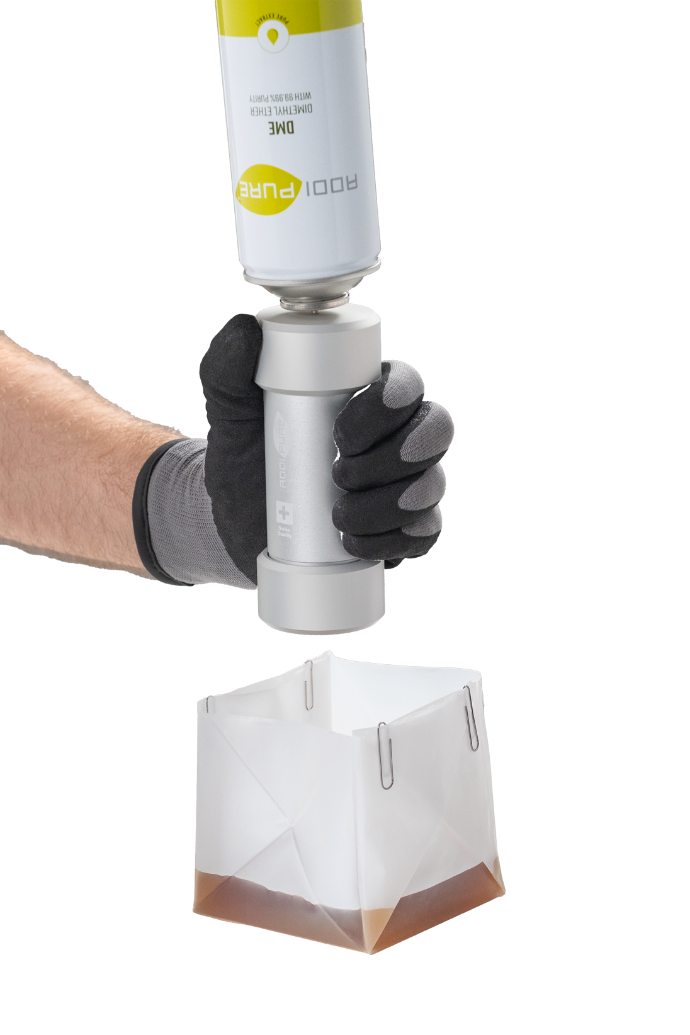 Most of the extraction solvent evaporates at room temperature. Keep in mind that butane and dimethyl ether vapors are highly flammable. Perform extraction only outdoors, do not smoke, and never handle open flames or hot objects. Read please: Safety information ADDIPURE BHO and DHO extraction
After evaporation, a small amount of extraction solvent remains in the extract and must be removed. This so-called purging process is carried out by heating or using vacuum. Under home conditions, you can place the container with the extract in warm (30°C but not more than 40°C) water. A more effective method is a vacuum chamber, where residual solvents evaporate at low temperatures, minimizing terpene loss. This step is very important because n-Butane solvent residues are neurotoxic. Butane needs a professional setup like the vacuum chamber for proper and safe concentrate to consume. DME not because DME is not neurotoxic.
You may also be interested in: How to Purge Extracts (The content will be published in March 2026)
Choosing the right solvent, using a high-quality extractor, and strictly following safety procedures are the foundations of successful extraction. Whether you choose BHO or DHO, always work with food-grade certified extraction gases and professional equipment. If you are interested in more details about extraction, purging, or the properties of individual solvents, you can find additional expert articles and practical guides on the ADDIPURE pureTalk blog.
Sources:
(1) Rapinel, V., Santerre, C., Hanaei, F., Belay, J., Vallet, N., Rakotomanomana, N., Vallageas, A., & Chemat, F. (2018). Potentialities of using liquefied gases as alternative solvents to substitute hexane for the extraction of aromas from fresh and dry natural products. Comptes Rendus. Chimie, 21(6), 590-605. https://doi.org/10.1016/j.crci.2018.04.006
(2) Skala, T., Kahánková, Z., Tauchen, J., Janatová, A., Klouˇcek, P., Hubka, V., & Fraˇnková, A. (2022). Medical cannabis dimethyl ether, ethanol and butane extracts inhibit the in vitro growth of bacteria and dermatophytes causing common skin diseases. Frontiers in Microbiology, 13, 953092. https://doi.org/10.3389/fmicb.2022.953092
(3) Wang, Q., Oshita, K., & Takaoka, M. (2021). Effective lipid extraction from undewatered microalgae liquid using subcritical dimethyl ether. Biotechnology for Biofuels, 14(1), 17. https://doi.org/10.1186/s13068-020-01871-0

 and then Add to Home Screen.