Extraction using organic solvents is one of the most effective ways to obtain valuable compounds from plant material, such as cannabinoids, terpenes, and essential oils. DME (dimethyl ether) is a lesser-known extraction solvent that is often more efficient and safer than butane, propane, and other hydrocarbons, mainly due to minimal residual solvents and its ability to extract a broader spectrum of compounds.
Dimethyl ether (DME) is a gas used as an extraction agent in the production of foods, pharmaceuticals, medicines, cosmetics and body-care products. The chemical formula of dimethyl ether (DME) is CH₃–O–CH₃. Under normal conditions, it is a colorless gas that can be easily liquefied under moderate pressure. In its liquid state, DME acts as an organic solvent. Thanks to its unique properties, it enables gentle and relatively simple plant extraction from crushed leaves, flowers, herbs, twigs or entire plants, as well as residues from harvesting and processing. Even in small-scale or home setups. ideally using high-quality small flowers rather than crushed leaves.
DME as a Safer Alternative to n-Butane
In terms of the extraction process, dimethyl ether works similarly to butane or other liquefied gases. Plant material is placed into a closed extractor, which is then filled with compressed liquefied gas. The solvent passes through the plant material, binding essential oils, cannabinoids, terpenes, and other lipophile compounds along the way. Finally, the liquid solvent evaporates, leaving behind a clean plant concentrate.
Additional Information on BHO and DHO extraction – what you need to know
Dimethyl ether deserves attention for one simple reason – it is a safer alternative to commonly used butane. The European Food Safety Authority classifies DME as a low toxicity solvent that leaves only minimal residues after extraction, which do not pose a health risk to the human body. Dimethyl ether by ADDIPURE is approved as a food grade extraction gas in the EU, USA, Switzerland, Israel and other countries with FDA GRAS status. Its purity of 99.99% is regularly analysed and audited by an independent Swiss laboratory. ADDIPURE dimethyl ether is made in the European Union using environmentally friendly production techniques. 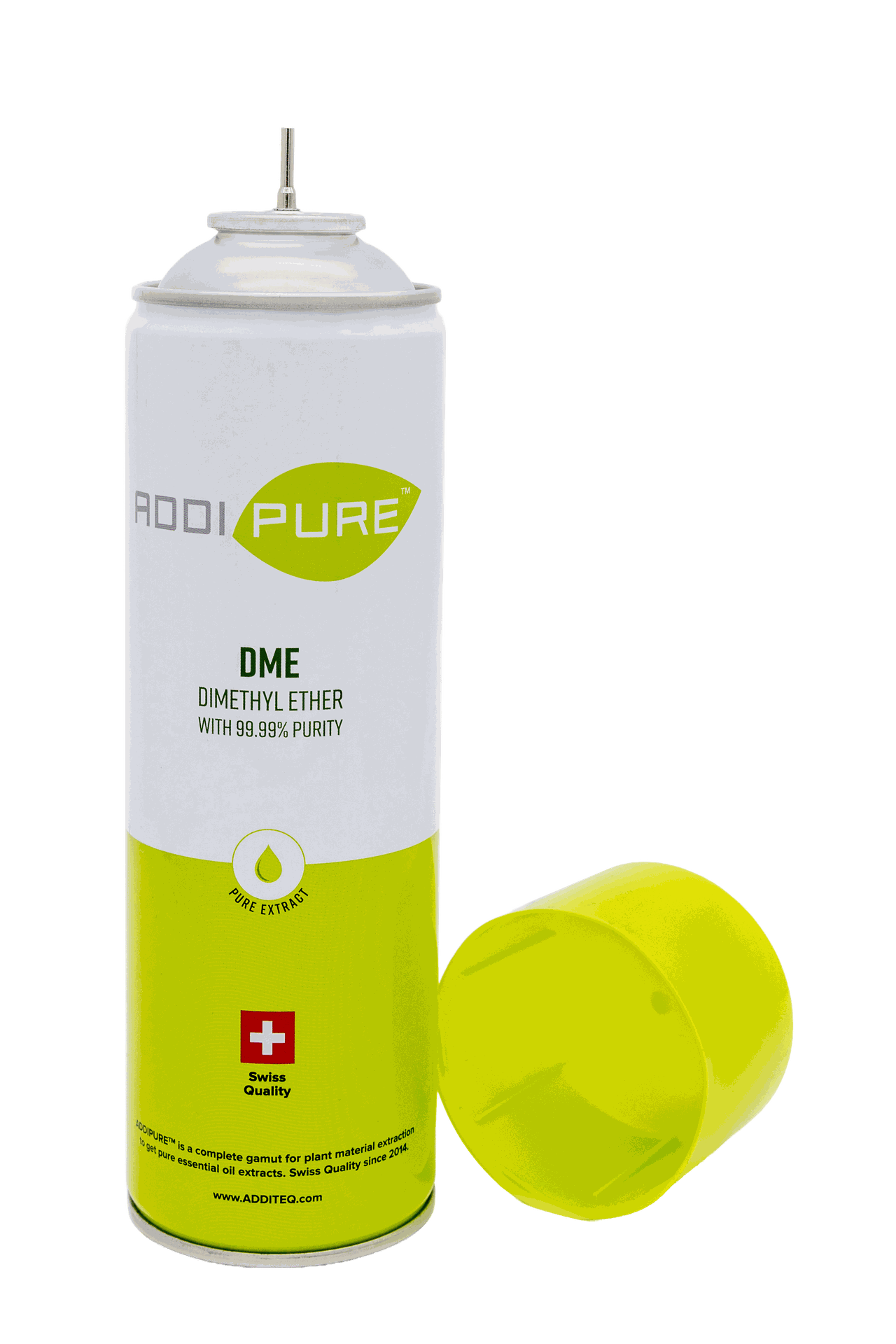
Butane is also an approved extraction gas. However, it is neurotoxic and if handled improperly, trace amounts of solvent may remain in the extract. When producing BHO extracts using butane, a vacuum pump or sufficiently high temperature should always be used to ensure complete evaporation of the solvent from the concentrate. It is extremely important to use only food grade butane for extraction, such as n-butane from ADDIPURE. Technical grade gases or lighter refills may contain harmful impurities such as mercaptans and benzene, which can remain in the final extract.
DME is often referred to as a “green solvent” because of its low health and environmental impact. However, proper safety precautions must still be followed when working with DME. Always use professional ADDIPURE extractors that are made from food grade aluminum with an anodized surface. Keep in mind that dimethyl ether vapors are flammable. Perform extractions only outdoors and in accordance with the DME Safety Data Sheet and the ADDIPURE safety instructions. Do not handle open flames or hot objects when working with extraction gases. Do not smoke and beware of static discharge. Other extractors that are made for butane can dissolve the sealing O-rings in DME. Do not use extractors from other brands that are not set up properly for DME extraction. ADDIPURE resistance: Dimethyl Ether (DME) and n-Butane resistant. ADDIPURE resistance: Dimethyl Ether (DME) and n-Butane resistant.
If you are interetesed in additional Safety information about plant extraction with ADDIPURE
| ADDIPURE Solvent | Butane (n-Butane) | Dimethyl ether (DME) |
| Polarity | Nonpolar | Partially polar |
| Extraction potential | Terpenes, terpenoids, cannabinoids, oils, waxes, other lipophilic compounds, some slightly non polar alkaloids | Broader terpene spectrum, terpenoids, cannabinoids, oils, waxes, other lipophilic compounds, improved yield of certain alkaloids, selected flavonoids, polyphenols, chlorophylls, carotenoids |
| Type of extract | BHO extract | Full spectrum DHO extract |
| Boiling point | -1 °C | -24,8 °C |
| Difficulty for extraction | Easy | More difficult |
| Explosion risk | Higher risk | Lower risk |
| Solvent resistance of Extractor | Yes, resistance to Butane | Yes, resistance to DME |
DHO Extraction: The Benefits
Plant extraction using ADDIPURE's high-purity solvents achieves an efficiency of over 90% resin with full vibrant aromas. In comparison to other methods such as solventless technologies, (Rosin Press, Ice Water Hash) the efficiency is much lower with rates around 60%/70%. While the yield with these methods is good, it is still not full which is why DHO can prove beneficial as there are much higher yields. This is all verified by the University of Ljubljana, Faculty of Health Sciences.
What Compounds Can Be Extracted from Plants Using DME?
Beyond safety, dimethyl ether differs from butane in the composition of the extracts it produces. A basic rule of extraction is that polar solvents such as ethanol, methanol, or water are better at extracting more polar compounds, for example sugars, many organic compounds, and numerous polyphenols. Nonpolar solvents such as butane or hexane are better at binding nonpolar substances like fats, waxes, cannabinoids, and most terpenes.
Solvent Types and Their Differences: What is the difference between polar and nonpolar solvents?
I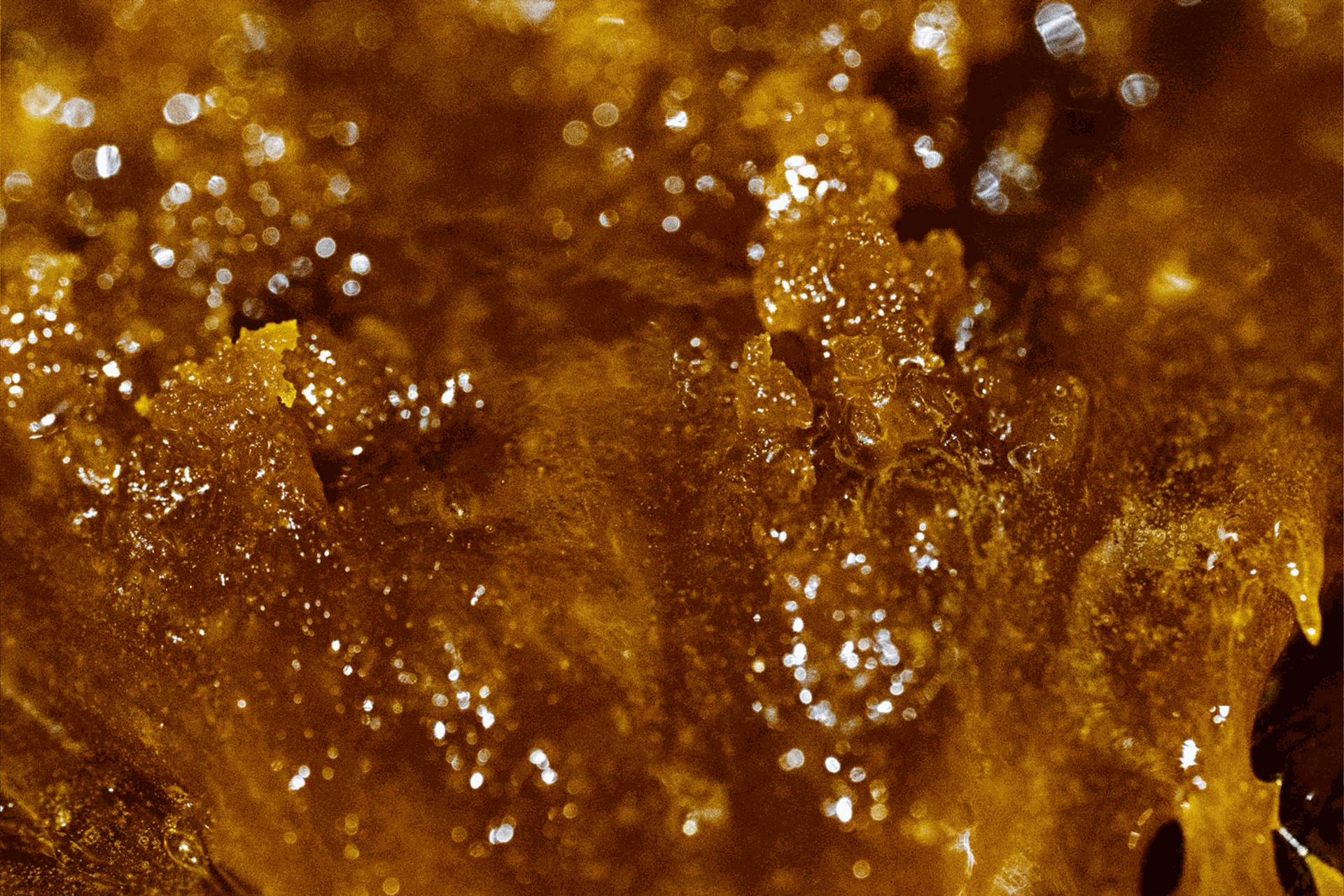 n contrast to butane and other nonpolar organic solvents, DME is partially polar. This means that in addition to nonpolar compounds, it can also extract certain mildly polar compounds such as some flavonoids, terpenes, plant pigments, and others.
What does this mean in practice though? It means that plant concentrates obtained with DME are closer to full spectrum extracts because dimethyl ether captures a broader range of plant secondary metabolites than butane. For example, In cannabis extraction, DME efficiently extracts selected monoterpenes and oxygenated terpenoids alongside cannabinoids under the same conditions. It can also extract a portion of polyphenols, triterpenes, and phytosterols, which nonpolar butane captures minimally.
Learn more about Different types of BHO and DHO extracts
Compared to butane, dimethyl ether also extracts more plant pigments such as chlorophyll and carotenoids. As a result, DHO extracts may appear slightly more colored than BHO. This effect can be significantly reduced by performing extraction at low temperatures and using properly dried plant material.
For more information about clean extraction with ADDIPURE and additional practical tips from the world of extraction, visit ADDIPURE pureTalk.

 and then Add to Home Screen.