How Are Modern Plant Extracts Made? From transparent shatter to creamy budder – all these concentrates start from a common base. Let’s explore how different solvent-based concentrates are created from BHO and DME resin.
All types of concentrates and extracts share one fundamental principle: they are made by separating essential oils and active compounds from plant material. This can be achieved mechanically or with solvents. Different plant extracts then vary depending on the extraction method used and the subsequent processing.
Overview of Extraction Methods
- Solvent-based extraction (using n-butane, dimethyl ether, ethanol, CO₂, or other hydrocarbons and organic solvents) dominates medical and industrial processing due to its efficiency and scalability. Solvent-based extraction is the most efficient method, and this way it is possible to obtain more than 90% of cannabinoids from dried plant material. Solvents used for plant extraction must be intended for food-grade use. Extracts produced using industrial solvents (e.g. lighter fluids) contain toxic residues such as benzene that are harmful to health.
- Solvent-free extraction relies on mechanically separating the resin from plant material, for example through sieving, water, pressure, heat, or static electricity. Mechanical extraction methods have a lower yield and extract a maximum of 60–70% of cannabinoids from the plant material.
- Alternative extraction methods using microwaves (MAE), ultrasound (UAE), pulsed electric fields (PEF), or hydrodynamic cavitation are applied in the food, cosmetic, and pharmaceutical industries.
One to Rule Them All - DME and BHO Resin as the Base for Various Extracts
The choice of solvent affects the extract’s character. Polar solvents (water, ethanol) dissolve a wide range of compounds, including sugars and chlorophyll, making them ideal for herbal tinctures or macerates. Non-polar solvents, such as n-butane and dimethyl ether, primarily extract lipophilic (fatty) compounds, producing extracts that are perfect for further processing.
You might be interested in: The Basics of Plant Extraction
In practice, most solvent-based concentrates are made from a base extract obtained using liquid butane (BHO) or dimethyl ether (DME), referred to as resin. This is produced by filling dried or frozen plant material into an extraction vessel and passing liquid gas through it. The solvent is then captured and evaporated, usually under reduced pressure and mild heat. Optional steps may include winterization, which removes fats from the oil, or filtration to produce a cleaner product. The patented ADDIPURE ADQ extraction filter reliably removes even the smallest plant particles.
Resin appears as a thick, glossy oil, ranging from clear to golden amber, depending on processing. By further refining this extracted oil, a variety of concentrates can be created, differing in texture, appearance, color, cannabinoid content, and terpene profile.
Different Solvent-Based Extracts
- Shatter: Transparent with a smooth surface, resembling glass. Made by carefully purging BHO or DME at relatively low temperatures with minimal stirring, resulting in a uniform “glass-like” layer.
- Wax: Appears as matte, light cream-colored wax with a crumbly texture. Produced by whipping or stirring BHO or DME during or after purging, often at slightly higher temperatures, forming waxes and microscopic crystals that turn clear extract into a matte waxy mass.
- Budder / Badder / Batter: An opaque, homogeneous extract with a buttery consistency and a subtle sheen. Created by intensely whipping partially purged BHO under controlled heating, promoting uniform crystallization and producing a creamy, cohesive concentrate instead of brittle shatter or dry crumble.
- Crumble / Honeycomb: Dry, porous, and full of visible cavities, easily broken into pieces and non-greasy. Made by extended purging at higher temperatures with minimal stirring. As the solvent escapes, crystallizing bubbles form a honeycomb-like structure.
- Live Resin: Much wetter than regular resin, sometimes with small sugar-like crystals in syrup. Produced by flash-freezing freshly harvested plants (fresh frozen) without drying or curing. Extraction with liquid butane or DME preserves a high terpene content.
- Sauce / Terp Sauce / HTE (High Terpene Extract): Thick, glossy liquid often containing visible crystals. Made by allowing concentrated BHO, DME, or live resin to crystallize in closed containers. The terpene-rich HTE fraction is separated from the crystals to form the sauce.
- Diamonds: Large, solid crystals with a clear, milky appearance, often submerged in a terpene-rich oily liquid. Made by maintaining highly pure BHO or DME extract under controlled temperature and pressure in closed vessels for days or weeks.
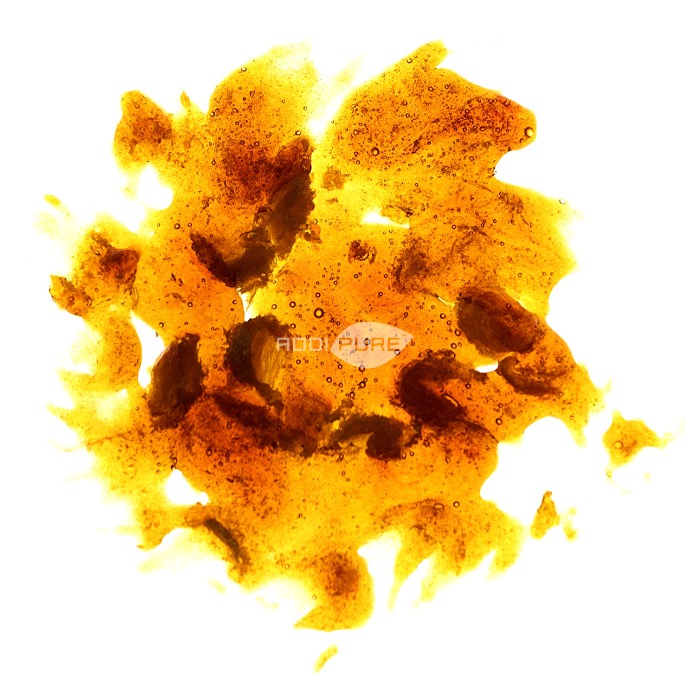
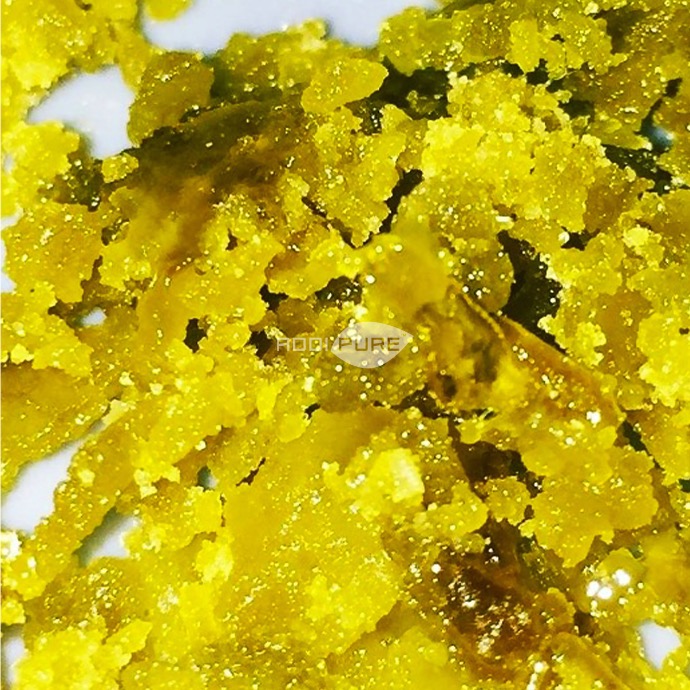
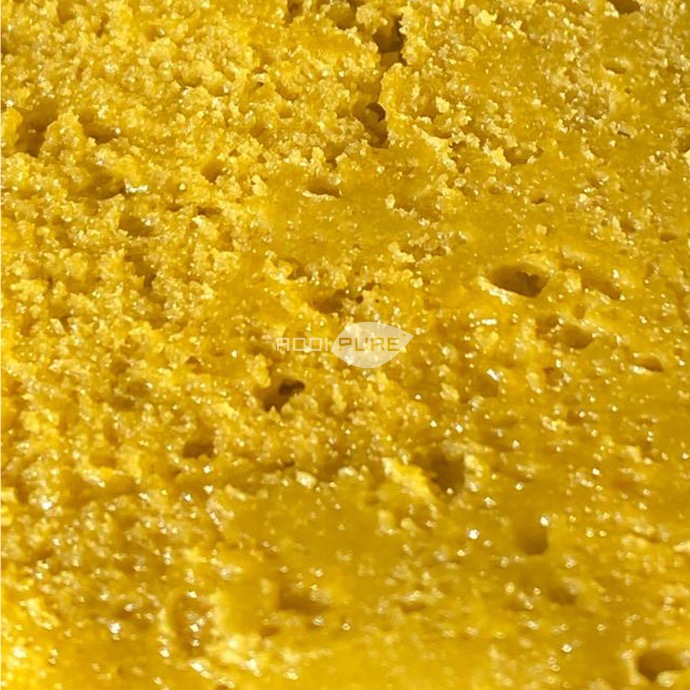
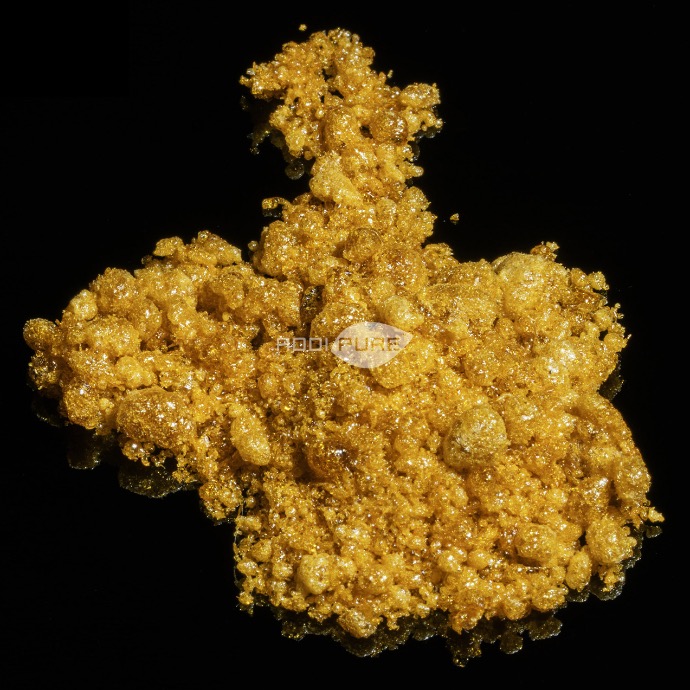
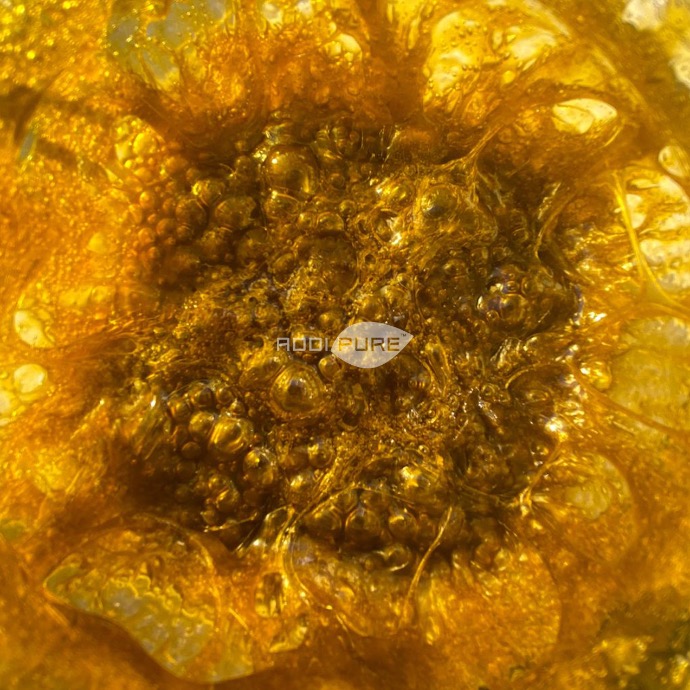
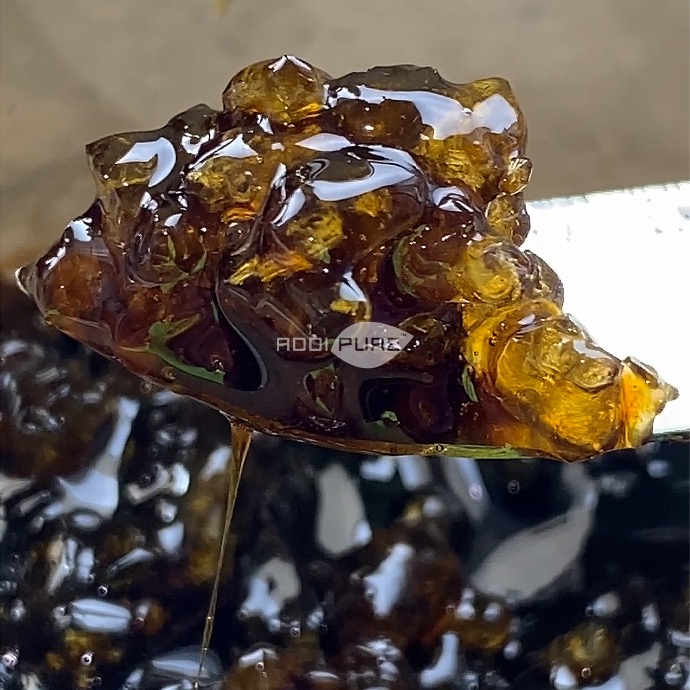
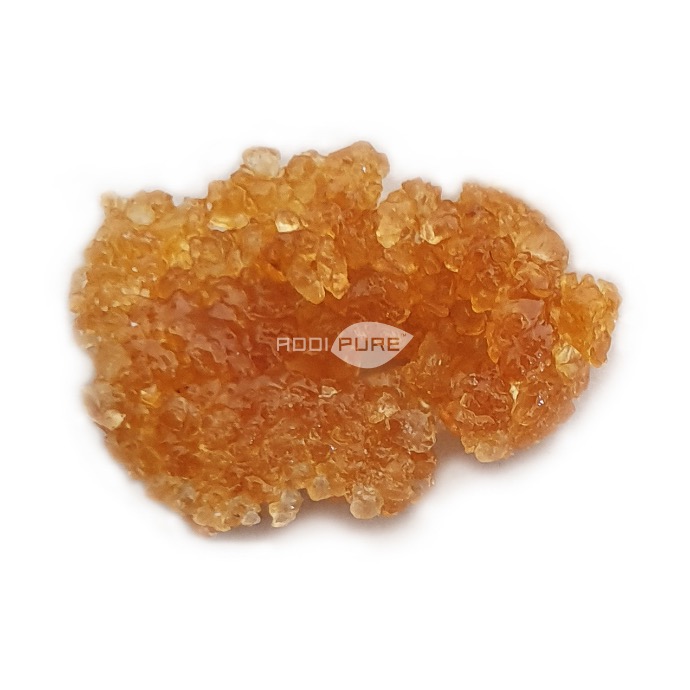
Photos: All extracts produced with ADDIPURE. Copyright: ADDITEQ s.r.o.
Importance of Quality of Extraction Solvents
It’s crucial to emphasize the purity and quality of solvents used for BHO and DME production. Only food-grade certified solvents should be used. Industrial solvents, such as those for lighters, may contain carcinogenic compounds like benzene, toluene, or methyl mercaptan, which can permanently harm human health.
ADDIPURE extraction agents are food-grade and used by professionals and laboratories worldwide. The quality of the solvent affects not only safety but also the extract’s character and the overall yield. Choosing the right solvent is as important as the extraction process itself. With ADDIPURE products, you can ensure that your resulting resin is pure and fully captures the plant’s potential.

 and then Add to Home Screen.