Essential oils are concentrated aromatic compounds derived from plants, widely used in aromatherapy, cosmetics, food, and natural medicine. In this guide, you’ll learn what essential oils are made of, their health and wellness benefits, how to use them safely, and how modern extraction methods work.
The fragrance of flowers and herbs drifting through a morning garden hides nature’s secrets – essential oils. They can be enjoyed for their aroma, but also for their therapeutic properties. Let’s explore the fascinating world of essential oil extraction.
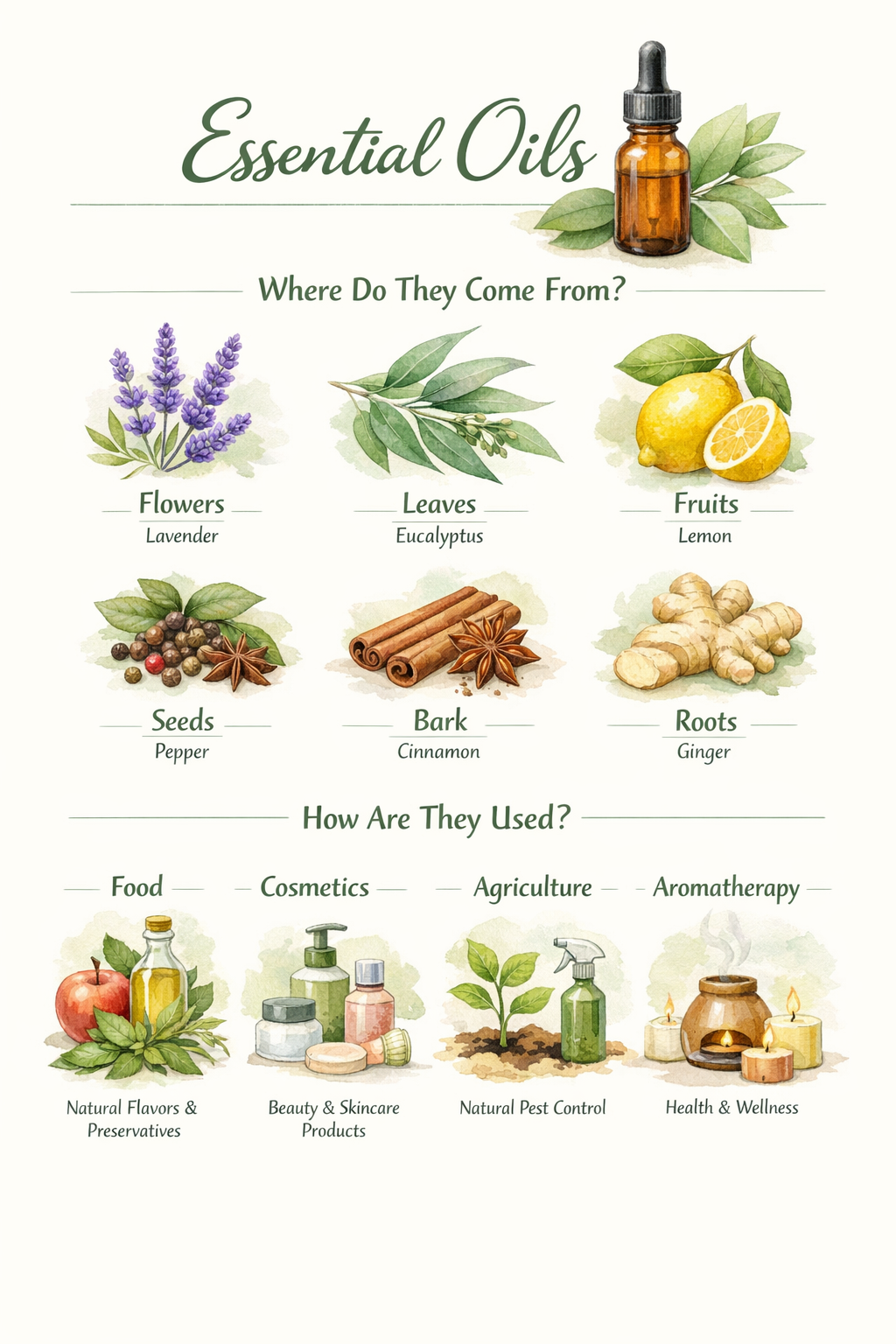 What Are Essential Oils
Essential oils (also called “volatile” or “etheric oils”) are aromatic compounds that plants produce to protect themselves from pests, diseases, and stress. They can be found in flowers, leaves, fruits, seeds, bark, or roots. The main components of essential oils are terpenes, terpenoids, phenylpropanoids, and other aromatic compounds. A typical essential oil contains dozens to hundreds of different compounds, of which usually only a few are dominant (1).
What Are Essential Oils Used For? Many essential oils have bioactive properties and are used in various industries. In the food industry, they serve as natural flavorings and preservatives. In the cosmetic and pharmaceutical industries, they are valued for their antimicrobial, antioxidant, and anti-inflammatory effects. In agriculture, they are used as natural fungicides, herbicides, and pesticides. Finally, essential oils are used in aromatherapy and traditional medicine.
How to Make Essential Oil at Home – Extraction with ADDIPURE
How to get essential oil? Most “classic” methods of extracting essential oils, such as hydro-distillation, steam distillation, or long cooking in solvents, share a common problem – volatile aromatic compounds are exposed to high temperatures, often for extended periods. This leads to terpene degradation, changes in scent, and sometimes loss of extract potency.
You Might Be Interested In: What is Plant Extraction – Basics of Botanical Extraction
A much gentler method for terpenes and other compounds in essential oils is extraction using liquid butane or dimethyl ether (DME). These are highly effective organic solvents that efficiently extract most aromatic compounds from plant material. In liquid form, n-butane and DME have very low boiling points, and after extraction, they can be easily and quickly evaporated. The whole process therefore takes place in a short time at very low temperatures, minimizing the degradation of volatile compounds.
To extract essential oils with the ADDIPURE extractor, you will need: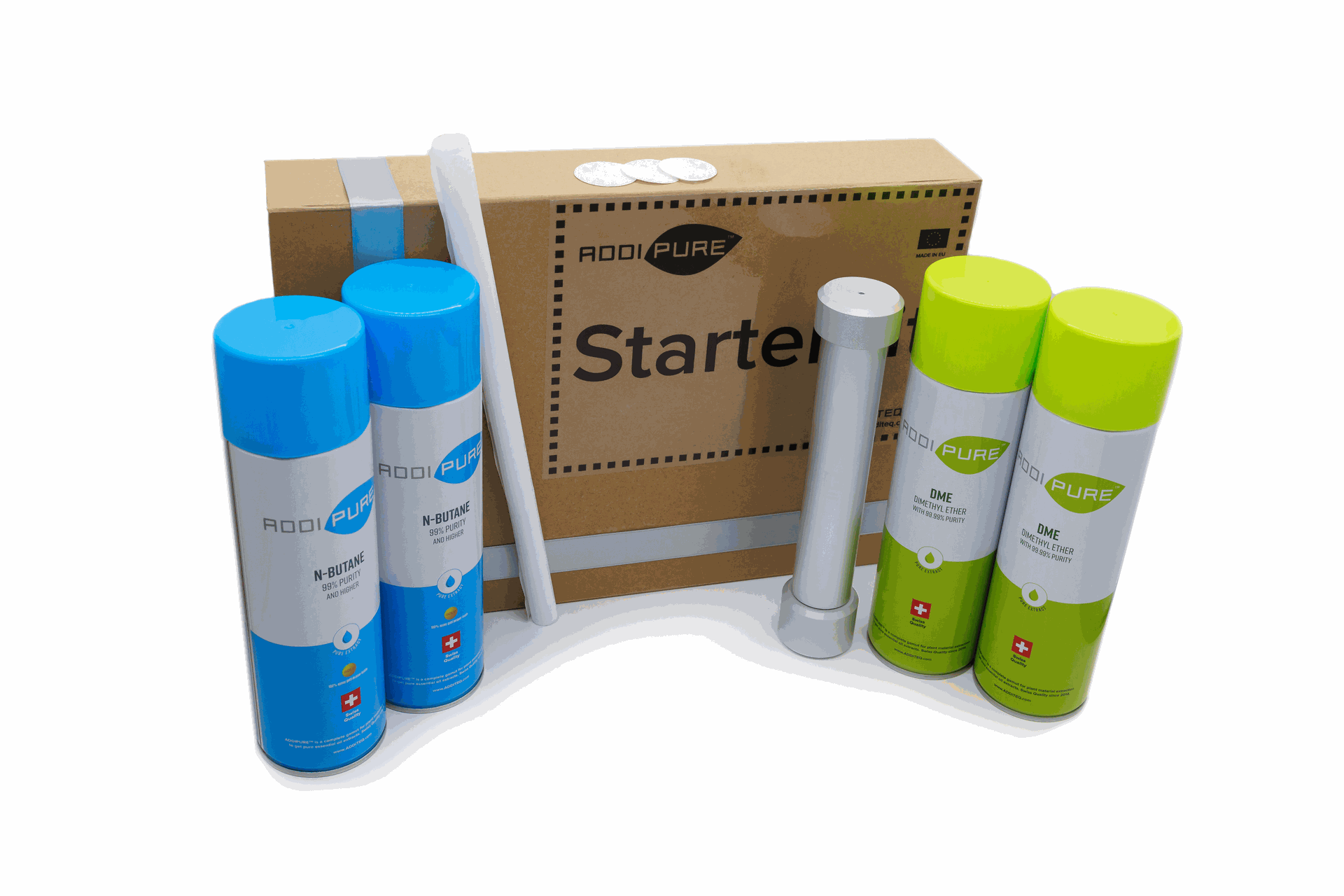
- Dried or fresh plant material
- BHO Extractor ADDIPURE
- Extraction agent – compressed n-butane or dimethyl ether (Never replace food-grade solvents with those intended for lighters or industrial use. They contain harmful residues that remain in the extract.)
- Container to collect the liquid extract, lined with non-stick ADDIPURE Virgin PTFE sheet
- Gloves
You Might Be Interested In: Want to start extracting oils quickly and easily? We have prepared a practical ADDIPURE StarterKit containing everything you need to get started.
Procedure for Essential Oil Extraction with ADDIPURE
With n-Butane, grind the plant material into smaller, uniform pieces (2-5mm) to create as large a surface area as possible for the extraction agent. With DME, break the flowers gently into parts which are about 5-10 mm. Fill the plant material into the extraction tube and compress it continuously lightly. It is best to fill the top 1-2 cm with ADDIPURE glass beads so that the extraction agent is evenly distributed over the plant material. If there is any empty space remaining, we recommend to fill it with ADDIPURE glass beads.
Place the filled extractor in the freezer 24 hours before extraction. This significantly increases extraction yield. Place a collection container under the prepared extractor. Do not forget the PTFE sheet; otherwise, it will be difficult to remove the sticky extract from the container after the solvent evaporates.
Note: Proper preparation ensures maximum efficiency during the BHO DHO extraction process.
Always perform the following step (BHO DHO extraction process) outdoors, as extraction solvent vapors are flammable. Do not smoke or handle fire or hot objects during extraction and avoid inhaling the vapors. During extraction, use protective gloves, goggles, and clothing. Read please: Safety information ADDIPURE BHO and DHO extraction
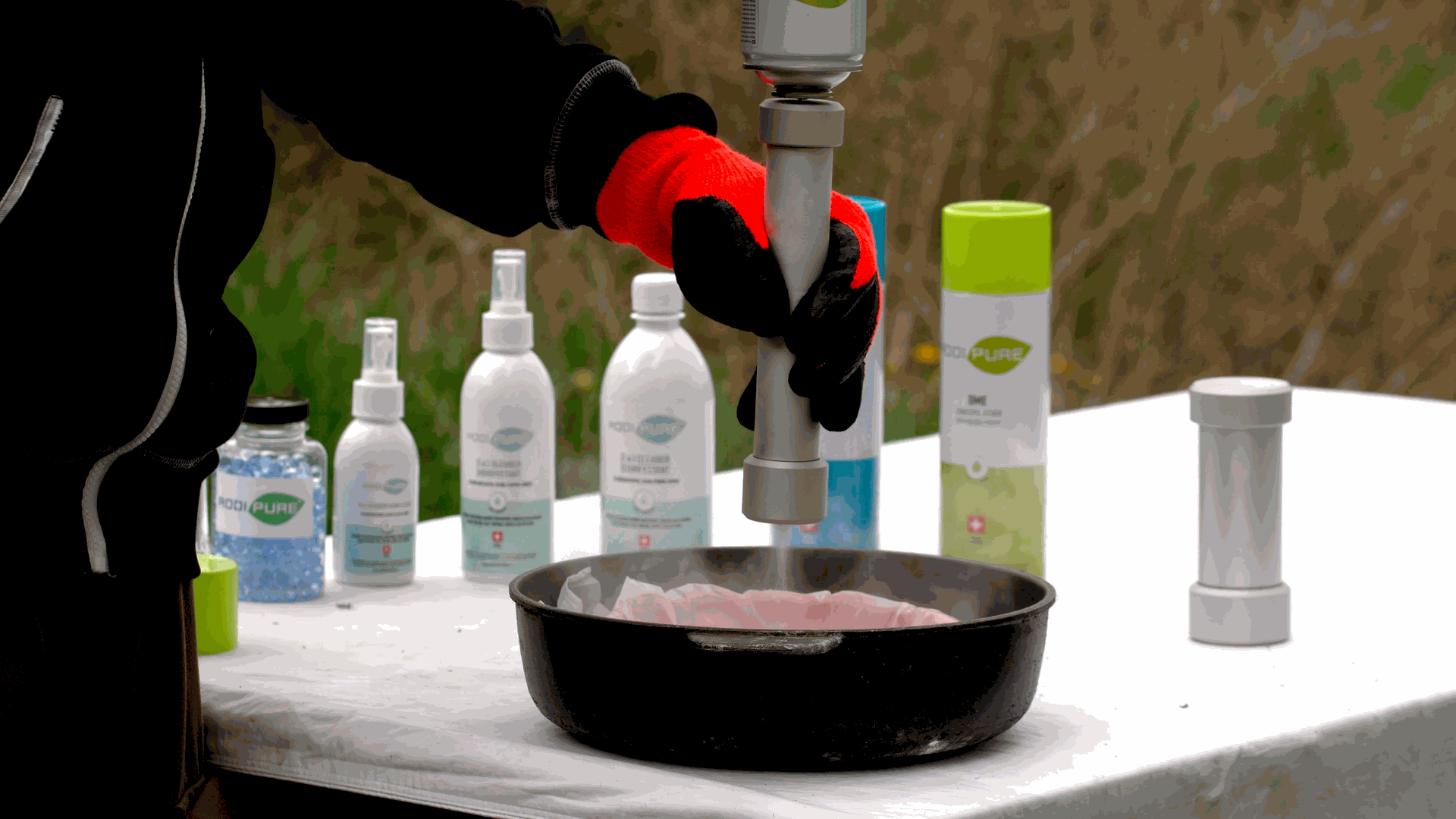
Uncap the gas container and attach the nozzle to the top of the extraction tube. Allow the solvent to flow through the plant material. During gas filling, the extractor tube will become very cold. Touch metal only with gloves. After emptying the gas container, press it against the extractor for thirty seconds to prevent pressure release. You may need more cans of extraction solvent. The amount of solvent required depends on the amount of plant material and the size of the extractor.
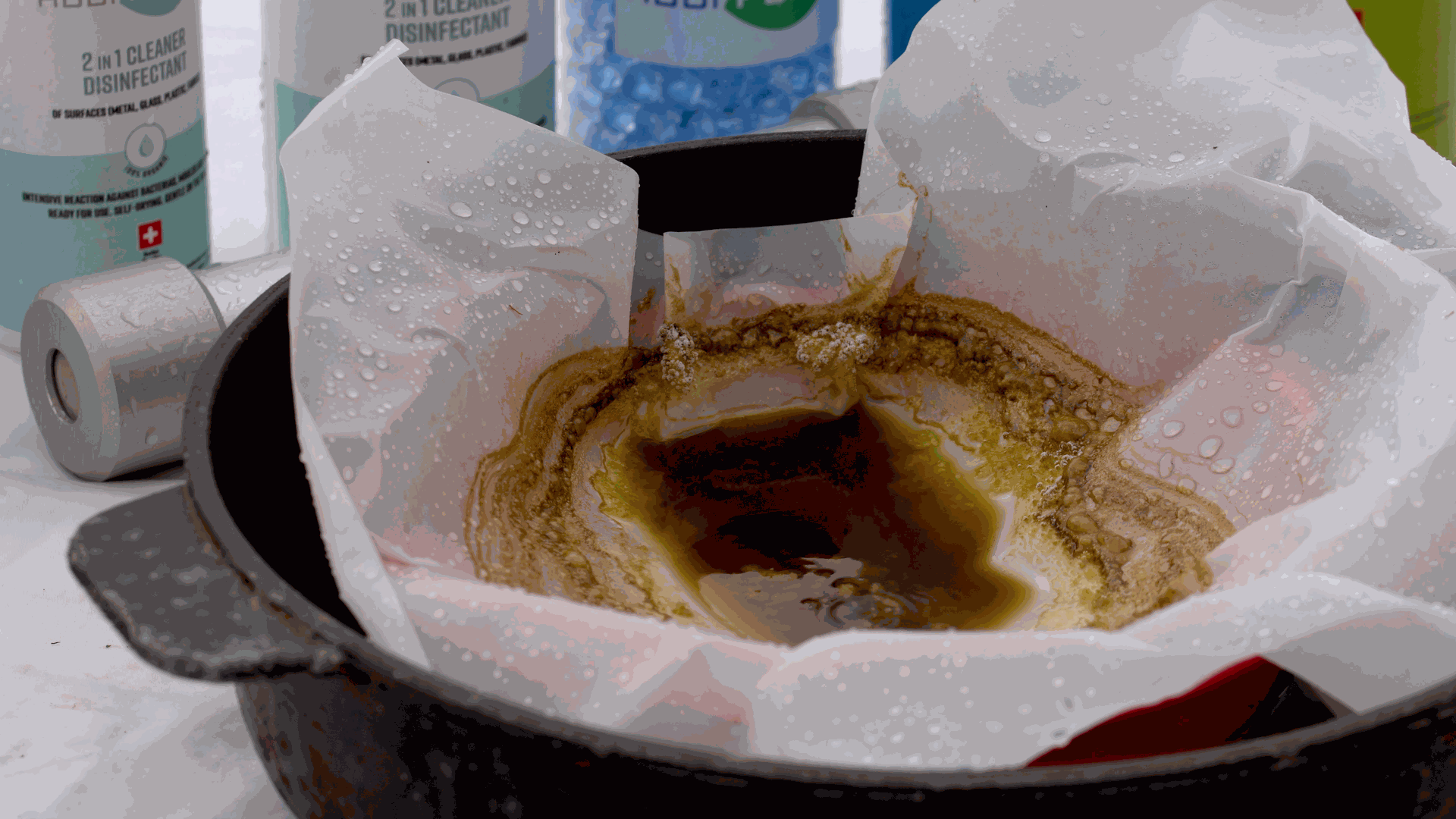
After extraction, let the solvent evaporate outdoors until no bubbles form on the surface. The resulting extract will resemble a thick resin and still contain solvent residues that must be removed through a process called “purging.” A vacuum chamber is best for this, but a water bath or an oven set to a low temperature (30°C but not more than 40°C) is also sufficient.
Which Plants Can Be Used to Extract Essential Oils with ADDIPURE
Essential oils can be obtained with the ADDIPURE extractor from a wide range of plants – for example, conifers (pine, fir, spruce), aromatic herbs (mint, lavender, rosemary, thyme), spices (clove, cinnamon, pepper), citrus fruits (orange, lemon, lime peel), medicinal plants (cannabis, coffee, sage, eucalyptus), flowers (rose, jasmine), seeds (fennel, coriander), or bark and roots (cinnamon, ginger), and many other examples of essential oils.
The composition and aroma of the plant extract will vary depending on the plant species, the part used, and the type of solvent. Butane is a non-polar solvent and primarily extracts lipophilic (fat-soluble) compounds, mainly monoterpenes and sesquiterpenes, certain esters, and other non-polar aromatic compounds that form the base scent of most essential oils.
Dimethyl ether is partially polar and therefore extracts a wider spectrum of compounds than n-butane (2). DME also dissolves terpenic alcohols (e.g., linalool, nerol, terpineol), aromatic polyphenols, phenylpropanoids, and other more polar aromatic compounds.
You Might Be Interested In: Examples of Different Types of Plant Extracts
What Are Essential Oils Good For and How to Use Them? The most common benefits of essential oils include relaxation, stress reduction, improved sleep, and enhanced concentration, while their use depends on the specific type. Essential oil effects can be experienced through diffusion inhalation or, after dilution, in baths or massages.
For more tips and expert guidance on home extraction, visit ADDIPURE pureTalk.
Sources:
(1) Raveau, R., Fontaine, J., & Lounès-Hadj Sahraoui, A. (2020). Essential Oils as Potential Alternative Biocontrol Products against Plant Pathogens and Weeds: A Review. Foods, 9(3), 365. https://doi.org/10.3390/foods9030365
(2) Ciulla, M., Canale, V., Wolicki, R. D., Ferrone, V., Carlucci, G., Fontana, A., Siani, G., D’Alessandro, N., & Di Profio, P. (2023). Comparison of extraction methods for active biomolecules using sub-critical dimethyl ether and n-butane. European Food Research and Technology, 249(2), 367–374. https://doi.org/10.1007/s00217-022-04122-8

 and then Add to Home Screen.