Many plants contain valuable compounds that can have beneficial effects on the human body. Our ancestors were aware of this and have been trying to extract the healing power of plants since ancient times. For example, by boiling them in water or in oil. Modern extraction methods are far more advanced and use organic solvents to obtain essential oils from plants. These methods are much more efficient and gentler on active compounds. In either case of the ADDIPURE system, the extraction agent is pressurized for butane or dimethyl ether (DME), which can pull a wide range of compounds from plant material.
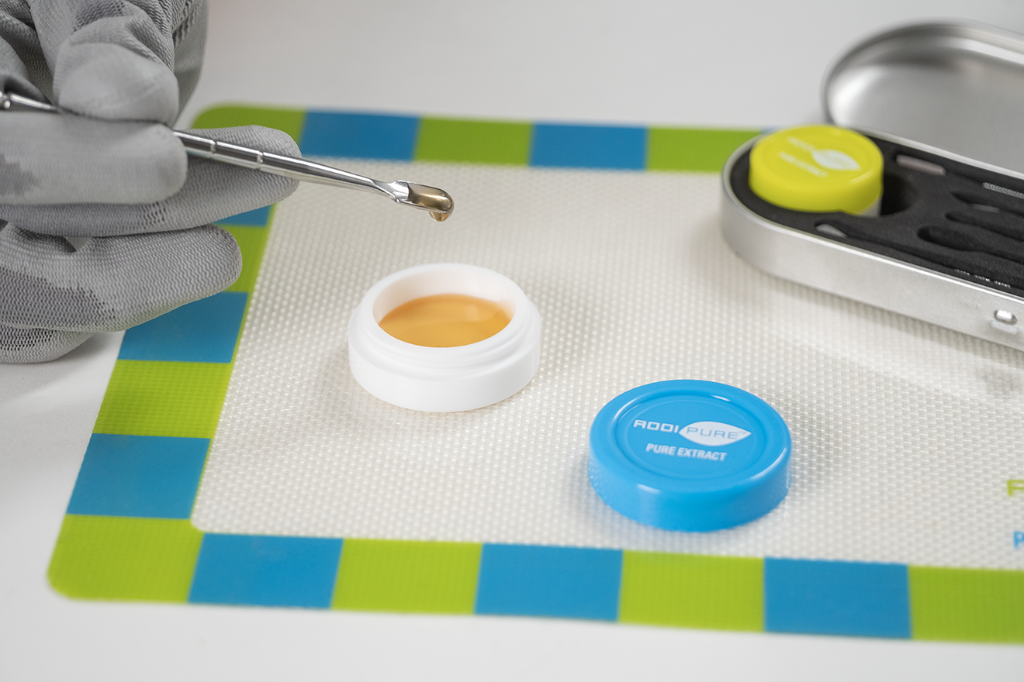 To understand what compounds can be extracted from plants using butane or DME, it is useful to briefly go over the basics of botanical extraction. The process is based on a simple principle: a liquid solvent meets plant material and pulls out only certain compounds present in the plant. The solvent can be any liquid, such as water, oils, or a liquefied gas, as used in ADDIPURE extractors.
The main difference between solvents lies in their ability to extract different groups of compounds. From this perspective, they are divided into polar and non-polar. Polar solvents such as water or ethanol dissolve many useful substances, but they also extract chlorophyll and other plant pigments, which are usually undesirable in extracts due to their bitterness and color.
Non-polar solvents such as butane and dimethyl ether (DME) extract compounds that are soluble in fats. These are known as lipophilic compounds and include cannabinoids, terpenes, other aromatic substances and some alkaloids, as well as plant oils and waxes. In contrast, chlorophyll and other pigments are only minimally soluble in non-polar solvents, resulting in cleaner extracts compared to polar extraction.
You might also be interested in: Polar vs nonpolar solvents, what is the difference?
Extraction of medical cannabis with ADDIPURE
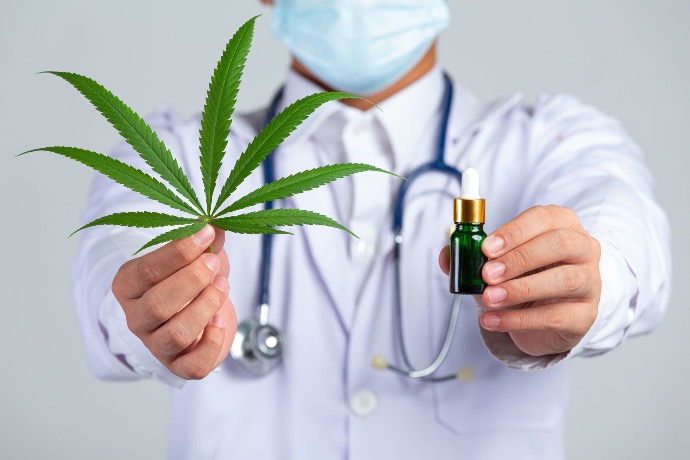 Medical cannabis extracts have become a component of contemporary medicine, with patients across numerous countries utilizing them. Cannabis extracts are primarily valued for their rich cannabinoid content; over one hundred different cannabinoids have been found in the cannabis plant (1). These compounds interact with receptors of the endocannabinoid system in the human body and are responsible for many of the therapeutic effects of cannabis.
Cannabinoids and most terpenes are lipophilic and can be extracted very effectively using nonpolar solvents such as ADDIPURE n-Butane and ADDIPURE Dimethyl Ether DME. When butane is used for extraction, the resulting product is called BHO; if dimethyl ether is used, it is referred to as DHO. The composition of the extract depends primarily on the chemical profile of the cultivar from which the cannabis resin was extracted. Cannabis varieties are classified into three chemotypes according to their cannabinoid levels and proportions.
- Type I: THC dominant chemotype with low CBD content, used in extracts with analgesic and antiemetic effects.
- Type II: balanced THC CBD chemotype, used for extracts with balanced effects where CBD helps reduce the side effects of THC.
- Type III: CBD dominant chemotype with THC content below 0.3 percent, suitable for preparing extracts for patients with low THC tolerance, epilepsy, anxiety, and inflammation.
In addition to cannabinoids, cannabis plants contain hundreds of other compounds, including aromatic terpenes, many of which have biological activity and act synergistically with cannabinoids in the so-called entourage effect. For example, caryophyllene, one of the terpenes found in cannabis, has been shown to help reduce pain (2). The terpene profile varies between cultivars, which may explain differences in the effects of various cannabis strains.
One of the key advantages of BHO and DHO extracts is that, compared to other extraction methods, they retain the highest levels of terpenes and cannabinoids. This is because the process takes place at very low temperatures, preventing the degradation of volatile compounds, unlike methods such as rosin pressing. In addition, extraction with pressurized gas is much more efficient (90% efficiency) than mechanical methods such as sieving or water extraction, which typically result in lower yields (only 60%/70% efficiency). The efficiency of solvent and solventless process has been verified by the University of Ljubljana, Faculty of Health Sciences.
Extraction of medicinal herbs with ADDIPURE
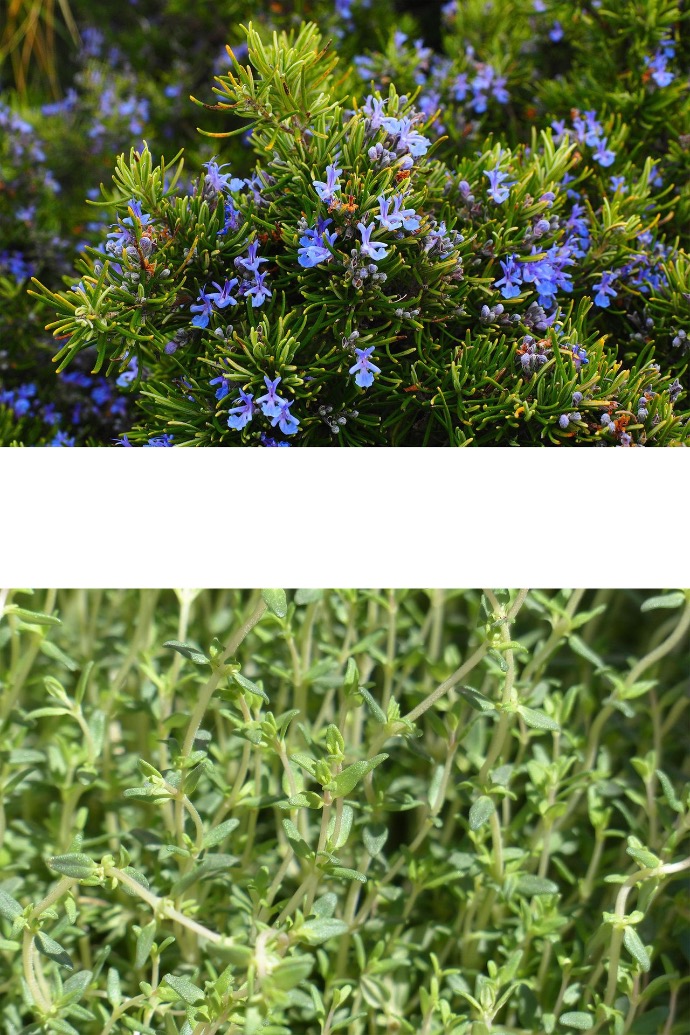 Many medicinal herbs contain important bioactive compounds with antioxidant and antimicrobial properties, most of which are lipophilic and can be extracted using butane and DME. Herbal essential oils obtained this way are used in aromatherapy and in the preparation of homemade remedies (3).
- Rosemary (Rosmarinus officinalis) – rich in terpenes such as cineole, phenolic diterpenes, and antioxidants, used in food, cosmetics, and pharmaceutical products.
- Thyme (Thymus vulgaris) – contains thymol, carvacrol, and other phenolic compounds with antimicrobial and antioxidant effects.
- Oregano (Origanum vulgare) – very high essential oil content, rich in carvacrol and thymol, strong antioxidant and antimicrobial properties.
- Basil (Ocimum basilicum) – contains linalool, eucalyptol, estragole, and other volatile terpenes, used in food, cosmetics, and pharmaceuticals.
- Peppermint (Mentha piperita) – rich in essential oils, menthol, and other monoterpenes.
- Sage, savory, oregano, marjoram – plants from the Lamiaceae family are rich in lipophilic terpenes and phenols.
Extraction of essential oils with ADDIPURE
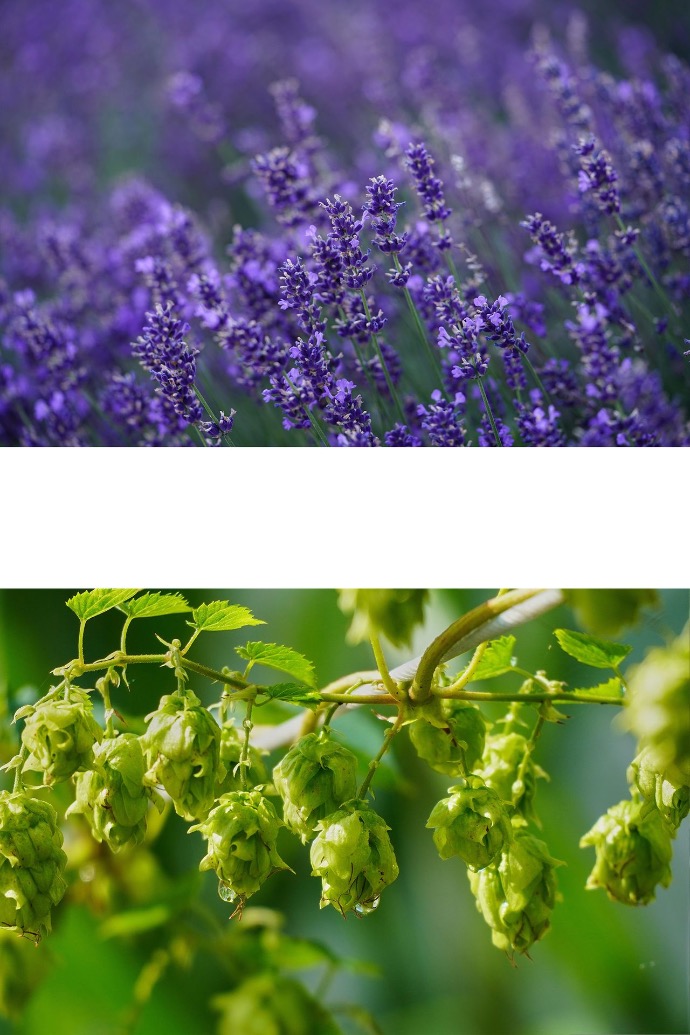 Another group of plants suitable for extraction with butane and DME includes spices and aromatic plants in general. Their essential oils often have very specific uses, and many are suitable for aromatherapy (3).
- Lavender (Lavandula angustifolia) – essential oil rich in linalool and linalyl acetate with proven antimicrobial and antioxidant effects, widely used in aromatherapy, cosmetics, and for preparing calming and relaxing products at home.
- Hops (Humulus lupulus) – contains resins, alpha and beta acids, xanthohumol, and terpenes.
- Ginger (Zingiber officinale) – rich in 6 gingerol, 6 shogaol, and volatile terpenes, suitable for obtaining pungent oils.
- Turmeric (Curcuma longa) – contains curcuminoids and aromatic sesquiterpenes, used in food and dietary supplements.
- Cardamom (Elettaria cardamomum) – contains aromatic compounds, including terpenes such as 1,8 cineole and alpha terpinyl acetate.
- Clove (Syzygium aromaticum) – very high eugenol content, a characteristic oily spice.
The quality of the final extract depends primarily on the extraction method, whether working with cannabis, herbs, or other plant materials. Keep in mind that truly top results can only be achieved with a high quality extraction system and food-grade, high pure extraction agents from ADDIPURE.
Want to learn more about modern plant extraction methods and techniques? Visit ADDIPURE pureTalk, where we discuss extraction openly and without myths.
Sources:
(1) Blebea, N., Pricopie, A., Vlad, R., & Hancu, G. (2024). Phytocannabinoids: Exploring Pharmacological Profiles and Their Impact on Therapeutical Use. International Journal of Molecular Sciences, 25. https://doi.org/10.3390/ijms25084204.
(2) Bilbrey, J., Ortiz, Y., Felix, J., McMahon, L., & Wilkerson, J. (2021). Evaluation of the terpenes β-caryophyllene, α-terpineol, and γ-terpinene in the mouse chronic constriction injury model of neuropathic pain: possible cannabinoid receptor involvement. Psychopharmacology, 239, 1475 - 1486. https://doi.org/10.1007/s00213-021-06031-2.
(3) Fierăscu, R., Fierăscu, I., Baroi, A., & Orțan, A. (2021). Selected Aspects Related to Medicinal and Aromatic Plants as Alternative Sources of Bioactive Compounds. International Journal of Molecular Sciences, 22. https://doi.org/10.3390/ijms22041521.

 and then Add to Home Screen.